


A Punta Cana wedding is already a celebration in paradise—but the couples who create truly memorable weddings are the ones who let the destination shape the celebration, not just provide the backdrop. The Dominican Republic has a rich, vibrant culture: music that makes everyone dance, food layered with Spanish, African, and Taíno influences, flowers that grow in impossible colors, and traditions that turn a party into an experience.
Infusing that culture into your wedding design does not mean turning your reception into a tourist performance. Done thoughtfully, it means weaving authentic local elements into your décor, menu, music, and guest experience so that your wedding feels rooted in the place you chose to marry.
Here is how to do it—element by element—with the practical details a Punta Cana wedding planner will help you get right.
Start With the Flowers: Tropical, Local, and In Season
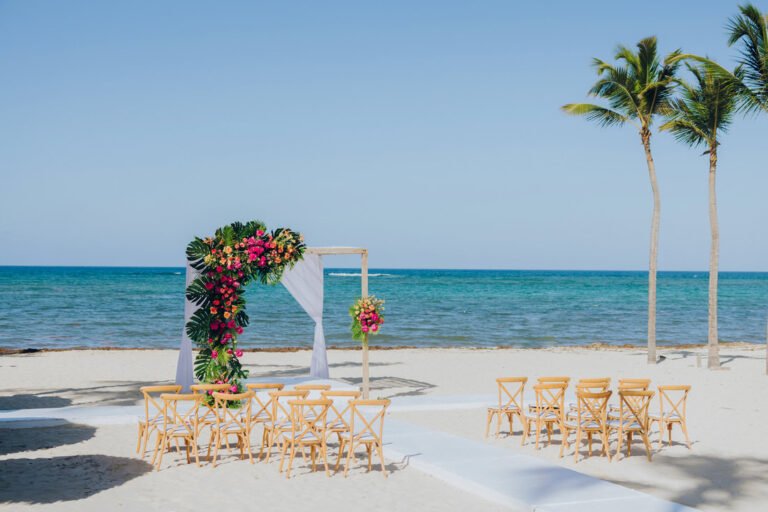
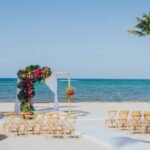
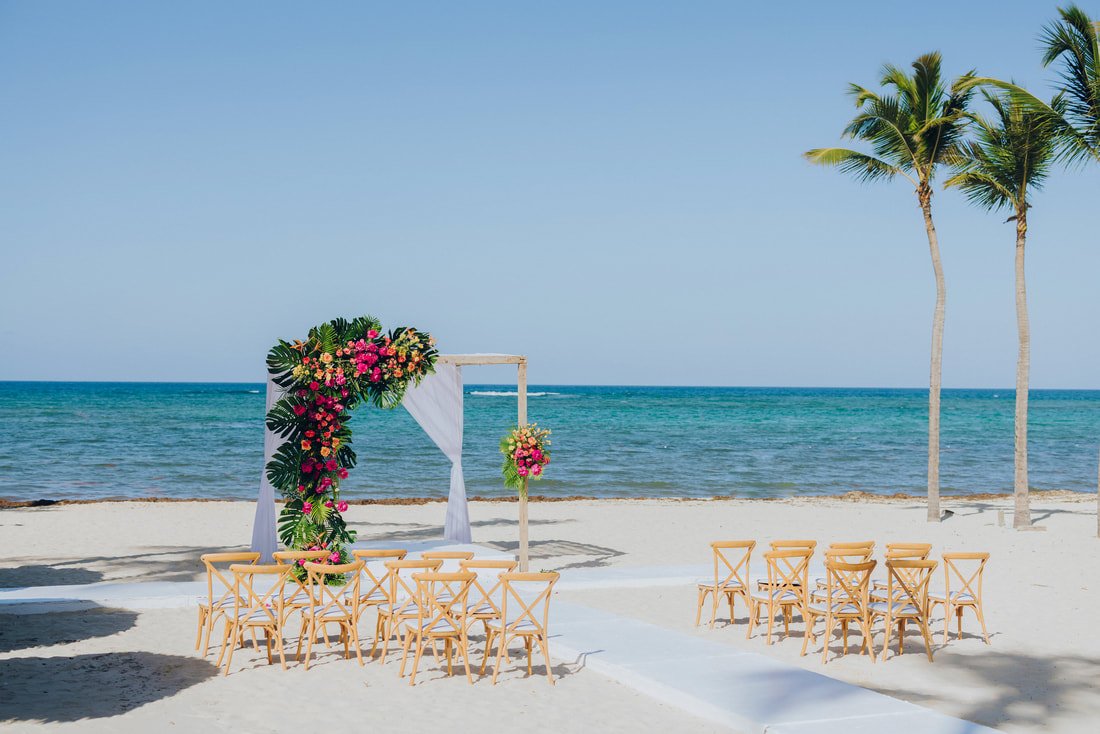
One of the easiest and most impactful ways to root your wedding design in the Dominican Republic is through your florals. The island grows an extraordinary range of tropical flowers and foliage, and using them does two things at once: it makes your design authentically local, and it often reduces costs compared to imported blooms.
Local and regional options to consider:
- Heliconia (often called “false bird of paradise”)—dramatic, architectural, and available in reds, oranges, and yellows
- Anthurium—glossy heart-shaped blooms in red, pink, and white that feel effortlessly tropical
- Bird of paradise—iconic and sculptural, perfect for statement arrangements
- Orchids—the Dominican Republic is home to dozens of native orchid species
- Palm fronds, monstera leaves, and banana leaves—for lush, textural greenery that holds up beautifully in heat and humidity
- Hibiscus and frangipani (plumeria)—fragrant, romantic, and quintessentially Caribbean
Design tip: Let the flowers do the work. A ceremony arch of heliconia and palm fronds, or centerpieces built around anthurium and monstera, will feel more striking—and more local—than a shipment of imported roses. A wedding planner in Punta Cana can connect you with local florists who source from Dominican growers and know which blooms hold up best in the climate.
Bring the Music: From Merengue to Live Bachata
Music is where Dominican culture comes alive, and it is the element guests remember most. The Dominican Republic is the birthplace of merengue and bachata—both UNESCO-recognized cultural treasures—and a wedding that includes them gives guests an experience they cannot get at home.
Ways to weave music into your celebration:
- Ceremony and cocktail hour: A live trio playing soft bachata or bolero adds elegance and a sense of place without overwhelming conversation.
- Reception: A DJ or band that can move between your must-play list and Dominican rhythms—merengue, bachata, salsa, and dembow—will keep the dance floor full. The moment the merengue starts, guests who have never danced it will be pulled in by the energy.
- Special moments: Consider a live percussionist for the cocktail hour, or a güira and tambora duo (the traditional merengue rhythm section) to kick off the dancing.
Practical tip: Ask your DJ or band to teach guests a few basic bachata steps early in the reception. It is a simple touch that turns spectators into participants—and it is a moment couples consistently say was a highlight.
Design the Menu Around Dominican Flavor
Food is one of the most authentic ways to bring culture into your wedding, and Dominican cuisine is rich, comforting, and deeply tied to the island’s Spanish, African, and Taíno roots. You do not have to replace your entire menu—you can layer local flavor into each course.
Dominican dishes and ingredients to feature:
- Passed appetizers: Tostones (crispy fried plantains) with a dipping sauce, pastelitos (savory turnovers), croquetas, and fresh ceviche
- Main courses: Sancocho (a hearty stew, often served for celebrations), slow-roasted pernil (pork), fresh Caribbean fish, and mangú (mashed plantains) as an elegant side
- Sides and salads: Morir soñando (a creamy orange-milk drink, lovely as a dessert pairing), tropical fruit platters with mango, pineapple, and passion fruit
- Desserts: Tres leches, coconut flan, guava pastries, and rum cake
- Drinks: Ron Barceló or Brugal rum cocktails, mamajuana (a traditional herbal rum infusion—serve it as a welcome shot), fresh chinola (passion fruit) cocktails, and Presidente beer
Design tip: Consider a late-night “street food” station with chimi burgers, yaniqueques, and fresh fruit—a playful nod to Dominican nightlife that keeps guests dancing until the end.
Practical tip: Work with your caterer to balance local dishes with options for dietary restrictions and less adventurous eaters. A good Punta Cana wedding planner will help you structure a menu that feels authentically Dominican while ensuring every guest has something they love.
Choose a Symbolic Ceremony Touch
Beyond food and music, there are small ceremony rituals that honor Dominican tradition and give your wedding a deeper sense of place.
Ideas to consider:
- The “13 coins” (arras): A Hispanic tradition in which the groom presents the bride with 13 coins, symbolizing his commitment to support and care for her. The coins can be blessed by the officiant and kept as a family heirloom.
- The lasso (el lazo): A traditional ceremony element in which a loop of ribbon or cord is placed around the couple’s shoulders to symbolize their union. It is visually beautiful and deeply meaningful.
- A Taíno-inspired blessing: The Dominican Republic’s indigenous Taíno heritage can be honored through a reading or blessing that acknowledges the land and its first peoples—a thoughtful, respectful way to connect your ceremony to the island’s history.
- Local officiant or bilingual ceremony: A bilingual ceremony (Spanish and English) is a beautiful way to include Dominican guests and honor the local language.
Practical tip: If you include a cultural ritual, have your officiant explain its meaning to guests—especially those unfamiliar with the tradition. The explanation turns a curious moment into a meaningful one.
Set the Scene With Local Materials and Design
Dominican culture is warm, colorful, and deeply connected to nature—and your design can reflect that through materials and palette.
Design elements to incorporate:
- Natural materials: Woven palm, rattan, bamboo, and local wood for furniture and signage; terracotta and clay for table accents
- Color palette: Sun-bleached whites and sand tones accented with vibrant tropical color—turquoise, coral, hibiscus red, mango yellow, and palm green. Or lean into a more refined palette of ivory, sage, and warm wood for an elegant tropical feel.
- Local artisan touches: Handmade Dominican crafts—woven baskets, hand-painted tiles, macramé, and local ceramics—can serve as décor and double as guest favors. Sourcing from local artisans supports the community and gives your wedding an authentic texture.
- Cigar and rum lounge: A dedicated lounge with Dominican cigars (hand-rolled, with a roller on site if budget allows) and local rum is a sophisticated nod to the island’s most famous exports. It also gives guests a memorable, interactive experience.
- Signage in Spanish: Bilingual or Spanish-language signage—“Bienvenidos,” “Salud,” seating charts written in Spanish—adds an authentic touch without requiring fluency from your guests.
Practical tip: Keep the design cohesive. One or two strong cultural elements executed beautifully will feel more intentional than a dozen scattered references. A Punta Cana wedding planner with design experience can help you edit your ideas into a cohesive vision.
Make the Guest Experience Cultural
Your wedding design extends beyond the ceremony and reception—it includes how guests experience the island from the moment they arrive.
Ideas to consider:
- Welcome bags with local products: Dominican coffee, a small bottle of rum, local chocolate, fresh fruit, and a handwritten note with a few Spanish phrases and local tips
- A welcome dinner with local cuisine: A casual asalto (roast) or a beachfront dinner featuring Dominican dishes sets the tone before the wedding day
- A cultural excursion: Arrange an optional group outing—a catamaran to Saona, a visit to a local market, a rum tasting, or a merengue lesson—so guests connect with the island beyond the resort
- A bilingual program: A wedding program that includes a few Spanish phrases, the meaning behind any cultural rituals, and a short note about the island’s history makes guests feel included and informed
Practical tip: Keep welcome gifts practical and travel-friendly. Guests will appreciate local coffee and chocolate far more than another branded tumbler—and it extends the cultural experience beyond the wedding itself.
What to Avoid: Respect Over Spectacle
Cultural infusion works best when it is respectful and authentic rather than performative. A few guidelines:
- Avoid “themed” caricatures. Think authentic local elements, not costumes or props that reduce a culture to a stereotype.
- Work with local vendors and artisans. Sourcing from Dominican businesses—florists, musicians, caterers, craftspeople—ensures authenticity and supports the local economy.
- Ask before borrowing traditions. If you include a ritual from Dominican or Hispanic culture, understand its meaning and present it respectfully, with context for your guests.
- Keep the climate in mind. Heavy décor, elaborate cakes, and delicate flowers can struggle in heat and humidity. Choose elements that hold up—and trust your planner’s guidance on what will look beautiful at hour six, not just hour one.
The Takeaway
Infusing Dominican culture into your Punta Cana wedding is not about adding decoration—it is about letting the destination shape the experience. Local flowers, merengue and bachata, Dominican flavors, meaningful ceremony rituals, artisan materials, and thoughtful guest touches all work together to create a wedding that could not have happened anywhere else.
The couples who do this well are the ones who work with a local Punta Cana wedding planner who knows the island’s vendors, its seasons, and its traditions—and who can translate cultural inspiration into a design that is beautiful, authentic, and respectful.
If you are ready to build a wedding that feels genuinely rooted in the Dominican Republic, Sertuin Events’ Punta Cana wedding planning services can help you bring local flavor, music, and artistry into every element of your celebration—so your wedding feels as unforgettable as the island itself.