




A wedding venue can do much more than provide a place for a ceremony and reception. Its architecture, lighting, textures, and layout can help establish the atmosphere for the entire celebration. For couples who appreciate both timeless charm and contemporary style, combining historic character with modern elegance offers a way to create a wedding that feels personal, sophisticated, and memorable.
When exploring a wedding venue in Denver, consider how the existing features of the space can complement your design ideas. Historic buildings, exposed brick walls, tall windows, original architectural details, and distinctive interiors can provide a beautiful foundation for modern decorations. Instead of covering every surface, couples can highlight the character of the venue while introducing carefully selected contemporary elements.
1. Let the Architecture Guide Your Design
Before choosing flowers, table settings, or decorative installations, take time to understand the venue itself. Architectural details can influence the colors, materials, and overall style that work best in the space.
Historic venues may feature exposed brick, wooden beams, high ceilings, vintage windows, or decorative moldings. These details create visual interest before any additional decorations are introduced.
Rather than competing with these features, use them as the starting point for your wedding design. For example, a room with warm brick walls may pair beautifully with cream-colored flowers, natural wood, and understated metallic accents. A venue with tall windows might benefit from minimal decorations that allow natural light to remain a central feature.
Modern elements can then provide contrast. Sleek furniture, clean table settings, contemporary signage, and carefully positioned lighting can make a historic interior feel fresh without removing its original character.
The goal is to create a balanced design in which the venue and decorations complement each other.
2. Choose a Cohesive Color Palette
A well-chosen color palette helps connect the different parts of your wedding. It can bring consistency to the ceremony, reception tables, floral arrangements, stationery, and other decorative details.
For a blend of historic and modern styles, consider combining neutral colors with a few carefully selected accents. Ivory, warm white, beige, and soft gray can create a timeless foundation, while deep green, burgundy, navy, or muted terracotta can introduce personality.
Consider the venue’s permanent features when selecting your colors. Brick walls, wooden floors, stone surfaces, and dark metal fixtures all influence how colors appear in photographs and under different lighting conditions.
You do not need to use every color throughout the venue. Instead, repeat a few key shades in flowers, linens, napkins, menus, and other small details.
Consistency matters more than complexity. A restrained palette can create a polished appearance without requiring an elaborate decorating budget.
3. Use Lighting to Transform the Atmosphere
Lighting is one of the most effective ways to change the mood of a wedding space. It can emphasize architectural details, create warmth, and help a room transition from a daytime ceremony to an evening reception.
During the day, make the most of natural light from windows and open spaces. Avoid blocking attractive architectural features with oversized installations unless they are central to your design.
For an evening celebration, consider warm ambient lighting, decorative pendants, or carefully positioned uplighting. Soft illumination can highlight exposed brick, wooden surfaces, and high ceilings while creating a welcoming atmosphere.
Modern lighting can also add contrast to historic interiors. Clean-lined fixtures or subtle contemporary installations can introduce a fresh visual element without overwhelming the existing architecture.
Before finalizing your plans, ask the venue about electrical access, fixture restrictions, and whether outside lighting professionals are permitted. Candles and hanging installations may also require approval.
Discuss your photography plans with your photographer so the lighting design supports both the atmosphere and the images you want to preserve.
4. Combine Modern Furniture With Classic Details
Furniture influences how guests experience a wedding space. The right tables, chairs, and lounge arrangements can help connect contemporary styling with traditional architecture.
For example, simple dining tables and streamlined chairs can create a modern contrast against a historic brick wall. Natural wood furniture can introduce warmth, while metallic details add a subtle sense of sophistication.
You can also introduce lounge areas with comfortable seating where guests can relax between formal activities. These spaces are especially useful during cocktail hours and longer receptions.
When selecting furniture, consider both appearance and practicality. Guests should be able to move comfortably between tables, the dance floor, and other event areas.
Ask whether the venue includes furniture or requires separate rentals. Confirm the available quantities, setup arrangements, and restrictions on moving existing pieces.
A thoughtful furniture plan can make the space feel intentional while ensuring that the design remains functional for the entire event.
5. Make Floral Arrangements Complement the Space
Flowers can soften architectural details and introduce color, texture, and movement. However, the most effective arrangements are those that suit the scale and character of the venue.
In a historic space, natural-looking arrangements with greenery and seasonal flowers can complement exposed brick, wood, and other traditional materials. Contemporary arrangements with clean shapes and restrained colors may work well when you want a more modern appearance.
Consider the size of the room when planning floral installations. A large arrangement may look impressive in a high-ceilinged ballroom but overwhelm a smaller dining area.
Table centerpieces should also allow guests to see and speak to one another comfortably. Low arrangements can work particularly well for social dining, while taller designs may be suitable where space and sightlines allow.
If you want to control costs, focus your floral budget on a few visible areas, such as the ceremony backdrop, entrance, or head table. Repurposing arrangements between spaces may also reduce waste and expense, provided the schedule and setup requirements allow it.
6. Create a Memorable Ceremony Backdrop
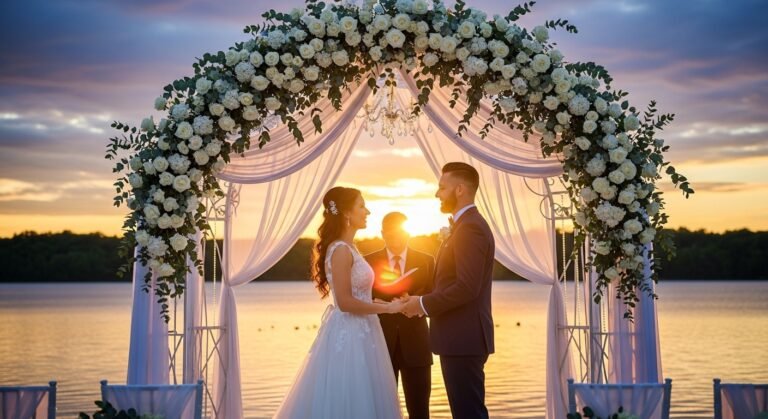
The ceremony backdrop often becomes one of the most photographed parts of the wedding. It deserves careful attention, but it does not necessarily need to be elaborate.
Start by examining the natural focal points of the venue. A distinctive brick wall, large window, architectural arch, or attractive outdoor feature may already provide a suitable setting.
You can enhance that feature with flowers, greenery, a simple fabric installation, or restrained decorative accents. The aim is to frame the couple without distracting attention from the ceremony itself.
If you prefer a contemporary look, consider geometric structures, minimal floral arrangements, or simple materials that contrast with the building’s traditional details.
Before choosing a backdrop, check the venue’s rules regarding attachments, hanging equipment, and freestanding structures. Make sure the installation does not obstruct emergency exits or interfere with guest movement.
A well-designed backdrop should look beautiful from the guests’ seats and in photographs while fitting naturally into the surrounding environment.
7. Design Reception Tables With Purpose
Reception tables provide an opportunity to express your style through small, coordinated details. Linens, dinnerware, glassware, menus, place cards, and centerpieces can work together to create a consistent look.
For a modern interpretation of a historic venue, consider combining simple table linens with textured napkins, understated metallic cutlery, and classic floral arrangements. Natural materials can add warmth, while clean typography and minimalist stationery introduce contemporary touches.
Avoid adding so many decorative elements that the tables become difficult to use. Guests need sufficient space for meals, drinks, and conversation.
Think about the lighting around the dining area as well. The table design should remain attractive in daylight and under evening lighting.
Before committing to rentals, ask your venue or caterer about table dimensions, service requirements, and setup times. These practical details will help you select decorations that look good without interfering with dinner service.
8. Add Personal Details Without Overdecorating
A memorable wedding should reflect the couple rather than follow a design trend simply because it is popular.
Personal touches might include family photographs, meaningful quotations, custom signage, favorite books, travel-inspired details, or small references to shared interests. These elements can make a historic setting feel more intimate while allowing contemporary styling to remain understated.
Think about where these details will have the greatest impact. A welcome display, seating chart, or guestbook area can provide an opportunity for personalization without filling every corner of the venue.
You can also use stationery and signage to connect the visual theme across the event. Consistent typography, colors, and materials help create a unified appearance.
The most successful designs leave room for the venue’s original features to remain visible. A few meaningful elements can have more impact than decorations placed everywhere.
9. Plan the Layout Around the Guest Experience
Even the most beautiful wedding design must work for the people attending the event. Guests need comfortable seating, clear pathways, convenient access to facilities, and enough room to socialize.
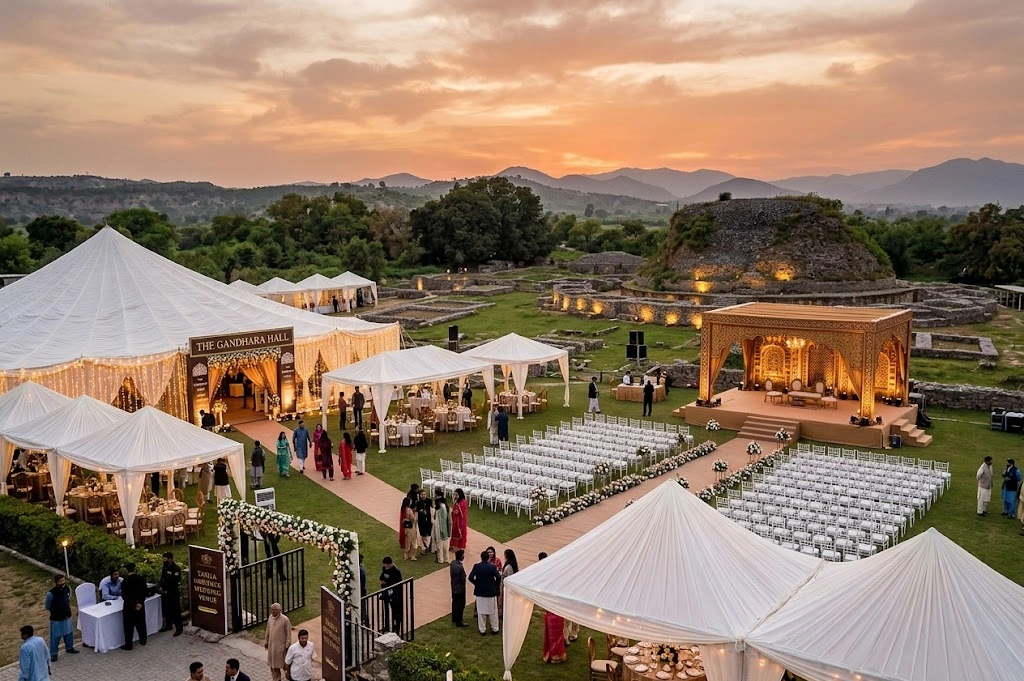
When planning the layout, consider the ceremony seating, dining tables, dance floor, entertainment area, and any lounge spaces. Make sure transitions between activities are straightforward and do not create congestion.
If your venue includes several connected spaces, think about how guests will move between them. A separate cocktail area or outdoor deck can provide variety, but the route should be easy to understand and accessible.
Discuss the proposed layout with the venue coordinator before booking rentals or finalizing decorations. They can explain capacity limits, safety requirements, and restrictions that may affect your plans.
A functional layout allows the design to shine while helping the event feel comfortable and organized.
Conclusion
Blending historic character with modern elegance is about finding the right balance between the venue’s existing features and your personal style. Architectural details, thoughtful lighting, coordinated colors, modern furniture, and meaningful decorations can work together to create a distinctive wedding atmosphere.
Begin with the space itself, then choose design elements that complement rather than compete with it. Consider your budget, guest comfort, venue restrictions, and photography requirements before making final decisions.
Most importantly, remember that an elegant wedding does not depend on the number of decorations you use. A cohesive design that reflects your relationship and makes guests feel welcome can create a more lasting impression than an elaborate arrangement without a clear vision.